
The Role of Luck in Gambling
Luck plays a pivotal role in the exhilarating world of gambling, particularly within the vibrant atmosphere of a casino. Many players believe that luck is a significant factor that can determine the outcome of games, leading to either major wins or significant losses. From the roll of dice in craps to the spin of the roulette wheel, every moment in a casino is a gamble with fate. Enthusiasts often explore options like uk casino sister sites to enhance their gaming experience, attributing their fortunes to luck rather than skill or strategy, creating a culture where luck is revered as a powerful force in the gaming experience.
However, it is vital to understand that while luck is an undeniable component, it exists within a larger framework defined by probability. Every game in a casino is built on principles of random number generation or established odds, meaning that while luck can influence immediate outcomes, the long-term results are fundamentally guided by mathematical probabilities. This interplay creates a complex relationship where luck seems to dominate in individual scenarios, yet it is counterbalanced by the underlying mechanics of each game, highlighting the importance of understanding both elements for a comprehensive gambling strategy.
Moreover, perceptions of luck can vary significantly among players. Some approach their gaming sessions with a superstitious mindset, employing rituals or lucky charms in hopes of swaying fate in their favor. Others lean on statistics and trends, believing that a solid grasp of the odds can help tilt the game in their direction. This blend of belief and strategy contributes to the ongoing intrigue surrounding luck in casinos, as players continuously seek ways to harness what is ultimately an unpredictable force in hopes of achieving favorable outcomes.
The Psychology of Luck
The belief in luck is deeply embedded in human psychology and significantly impacts how players engage with various casino games. Cognitive biases, such as the illusion of control, shape the way players perceive their chances of winning. For instance, a player might feel that after experiencing a streak of losses, a win is ‘due’ to occur, prompting them to increase their bets and emotional investment. This can lead to a cycle where players chase losses, driven by the hope that their fortunes will eventually turn.
On the flip side, some players may fall victim to the ‘gambler’s fallacy,’ a cognitive bias where they mistakenly believe that past events in a random sequence influence future outcomes. For example, a player may think that since the roulette ball has landed on red several times consecutively, the odds of it landing on black have increased. This psychological misperception can lead to faulty betting strategies and decisions, demonstrating how the notion of luck can skew a player’s judgment and approach to the games.
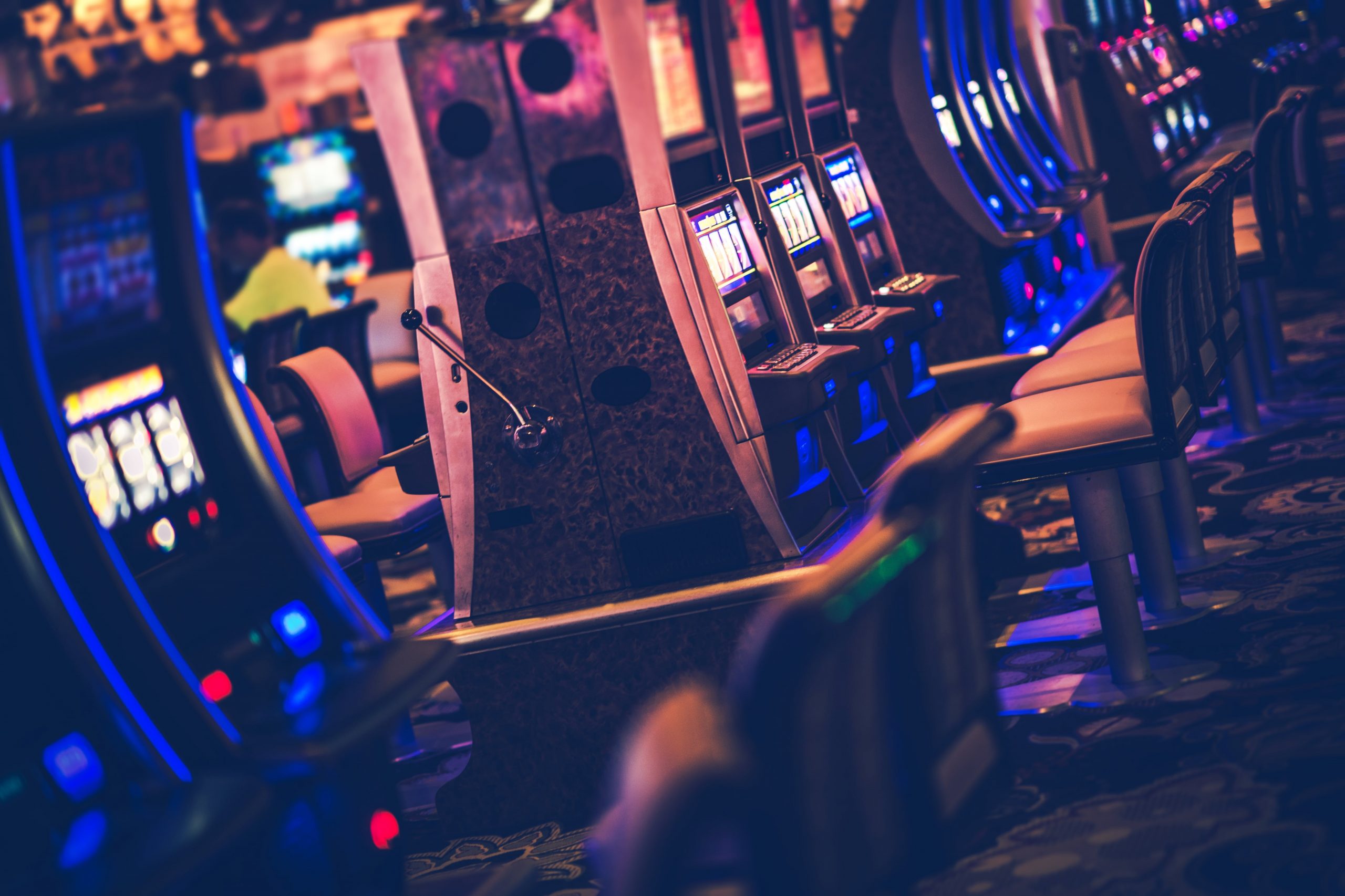
Additionally, the thrill of uncertainty and the excitement of potential rewards can draw players back to the casino, reinforcing their beliefs about luck. When players win, they often attribute their success to good fortune; conversely, losses may be rationalized through external factors, such as poor dealer performance or bad luck. This ongoing cycle not only sustains the casino industry but also underscores the profound influence luck has on player behavior, shaping their experiences and expectations as they navigate the gaming floor.
Skill Versus Luck in Casino Games
When contemplating the role of luck in casinos, it is critical to distinguish between skill-based games and those ruled primarily by chance. Games like poker and blackjack demand a level of skill, strategy, and decision-making, allowing players to leverage their knowledge and experience to influence outcomes. In these games, luck still plays a role; however, the ability to read opponents, make calculated bets, and apply strategic thinking can significantly enhance a player’s odds of success.
In contrast, games such as slots and roulette rely almost entirely on luck. Players have no control over the outcome, and therefore, their success hinges solely on chance. Understanding this distinction between skill and luck is essential for players, as it can shape their approach to different games within the casino environment. Skilled gamblers may thrive in games where strategy is paramount, while novices might find themselves more at ease in games of pure chance, relying solely on luck for their gaming experience.
Ultimately, the interplay between skill and luck adds layers of complexity to the gambling experience. Experienced players often recognize the limitations of luck and actively seek to harness their expertise to improve their odds. Meanwhile, casual players may embrace the thrill of chance without fully considering the strategies that could enhance their gameplay. This duality not only enriches the gambling experience but also defines the distinct approaches that various players take as they engage with their favorite games.
The Impact of Environment on Luck
The ambiance of a casino can significantly affect how luck is perceived and experienced by players. The sights, sounds, and vibrant atmosphere contribute to a heightened sense of excitement and anticipation. Many gamblers believe that a lively casino filled with winning players generates positive energy that can enhance their own luck. This phenomenon is rooted in the psychological effects of being surrounded by enthusiastic fellow gamblers, fostering a belief in the power of luck in their gaming endeavors.

Furthermore, the design elements of casinos, including lighting and layout, are meticulously crafted to maintain excitement and engagement among players. The presence of slot machines that frequently pay out can create an illusion of luck in the air, encouraging others to join the fray. This carefully curated environment can make it feel as though luck is on one’s side, even when the actual odds remain unchanged, giving rise to a collective belief in fortune’s favor.
Social interactions within the casino setting also play a crucial role in shaping perceptions of luck. Players often share stories of wins and near-misses, weaving a narrative that encompasses a communal belief in luck. Celebrations surrounding winning moments can lead to positive reinforcement, making players more likely to return. Consequently, the interplay between a casino’s environment and the belief in luck creates an addictive cycle, where the excitement of potential wins keeps players engaged and hopeful for their next big break.
Your Casino Experience Awaits
Understanding the intricate relationship between luck, skill, and the casino environment is essential for anyone looking to enhance their gaming experience. Whether you are a seasoned player or new to the scene, acknowledging the balance between chance and strategy can help you navigate the highs and lows of gambling with greater insight. Embracing the role of luck can add excitement, while a respect for skills and probabilities can foster more meaningful gaming sessions.
Casinos are designed to be exhilarating spaces where luck plays a significant role in the narratives we create around our experiences. Whether you lean towards believing in luck or prefer to rely on strategic gameplay, the excitement of the game should always take center stage. Ultimately, understanding these dynamics will empower you to enjoy the thrill of the game while making informed decisions that can enhance your chances of success in a casino environment.
As you embark on your casino journey, remember that luck is just one piece of the puzzle. Combining your understanding of games, strategies, and the psychological aspects of gambling will provide a more rewarding experience. The thrill of the game awaits, and with the right mindset, you can maximize your enjoyment while navigating the unpredictable world of chance.
